PRP Therapy: Principles, Protocols, and Clinical Applications
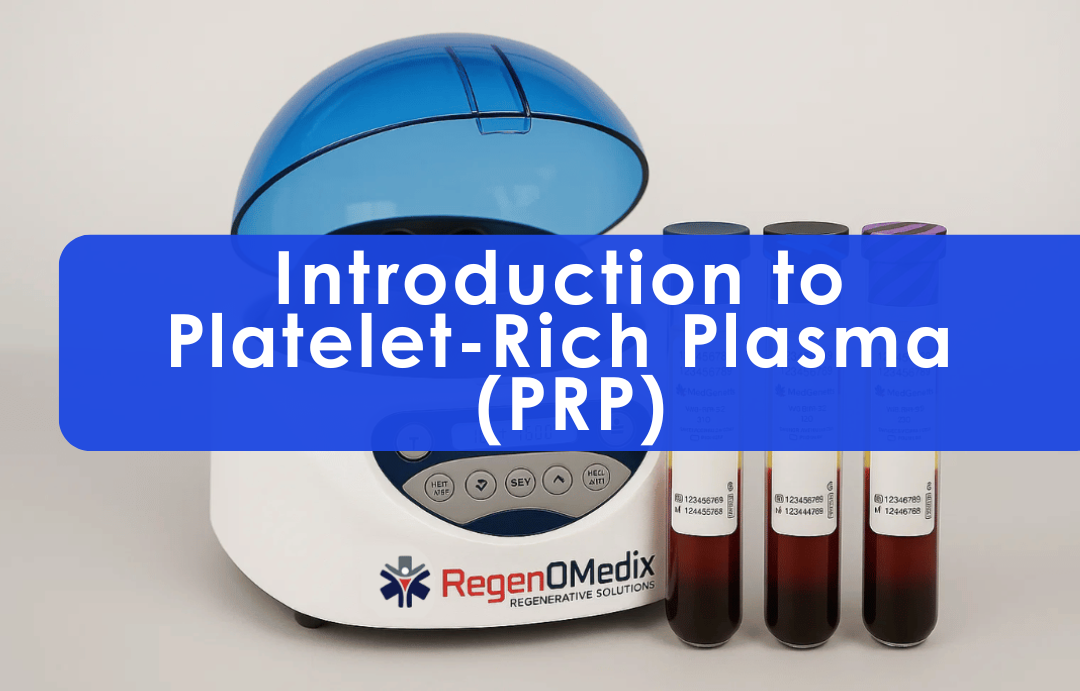
Platelet-Rich Plasma (PRP) therapy is a cornerstone of regenerative medicine due to its autologous nature, safety profile, and versatility. Derived from the patient’s own blood, PRP contains concentrated platelets rich in growth factors that stimulate healing and tissue regeneration. This minimally invasive treatment is used across orthopaedics, sports medicine, dermatology, and aesthetics.
This comprehensive module explores the scientific basis, preparation protocols, and clinical use cases of PRP therapy. It also highlights key considerations for practitioners and professionals involved in promoting PRP systems or administering treatment.
Learning Outcomes:
- Grasp the physiological and biochemical basis of PRP and its regenerative mechanisms.
- Evaluate different PRP preparation methods and their impact on efficacy.
- Apply evidence-based protocols in musculoskeletal, aesthetic, and dermatological settings.
- Discuss contraindications, patient suitability, and post-treatment care.
- Understand how to position PRP products in a competitive regenerative market.

Exosomes in Regenerative Medicine: A New Frontier in Cell Therapy
Exosomes represent one of the most exciting frontiers in regenerative medicine, offering powerful therapeutic potential through intercellular communication. These nano-sized extracellular vesicles, secreted by stem cells and other cell types, act as messengers that transfer proteins, lipids, and RNA to neighboring cells. Their unique ability to influence cell behavior without the complexities of whole-cell therapy makes exosomes an increasingly popular tool in treating inflammatory diseases, musculoskeletal conditions, and aesthetic concerns.
This module provides a foundational understanding of exosome biology, mechanisms of action, therapeutic applications, and the regulatory landscape. Learners will explore both the clinical and commercial dimensions of exosome therapy, enabling them to incorporate or advocate for its use in practice.
Learning Outcomes:
- Understand the biological role and function of exosomes in cellular regeneration.
- Identify clinical indications where exosome therapy is showing promising results.
- Discuss sourcing, preparation, and safety protocols relevant to exosome products.
- Examine current evidence, ethical considerations, and regulatory guidelines.
- Effectively communicate the science and benefits of exosomes to patients and clients.
Microneedling: Mechanisms and Integration with Regenerative Therapies
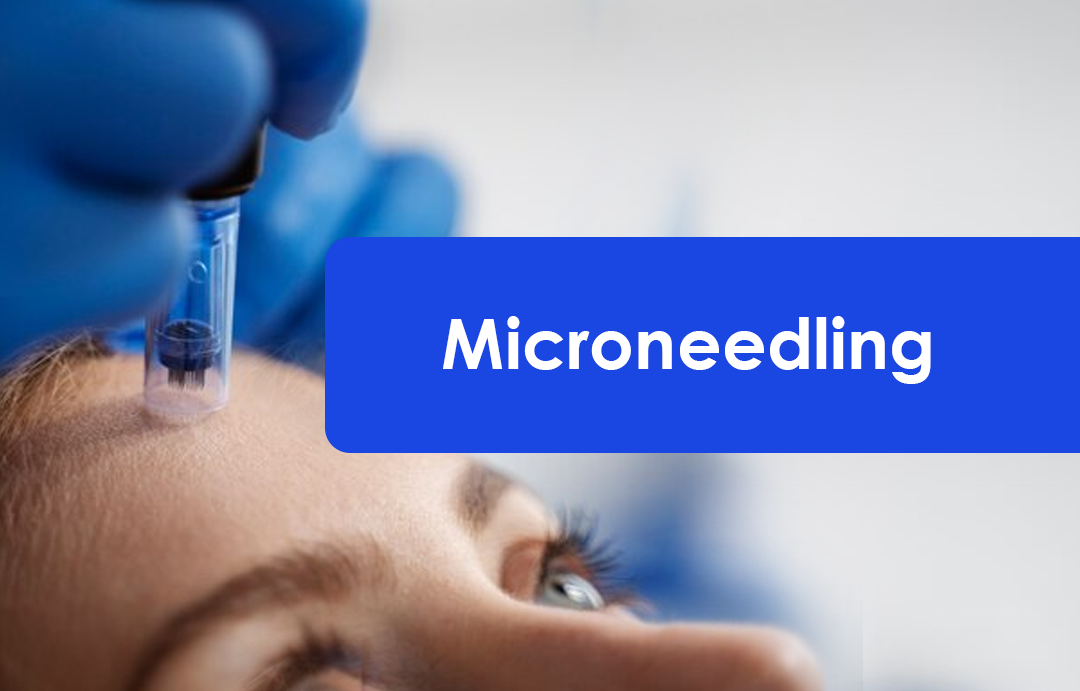
Microneedling, also known as collagen induction therapy, is a powerful tool for skin rejuvenation and scar revision. By creating controlled micro-injuries in the skin, this treatment stimulates collagen and elastin production, improving texture, tone, and firmness. When combined with PRP, exosomes, or peptides, its regenerative effects are significantly enhanced.
This module explores the science, techniques, and treatment planning involved in microneedling, with a special focus on its integration with regenerative medicine products. Learners will also gain insights into how to set client expectations and optimize outcomes.
Learning Outcomes:
- Understand the biological response triggered by microneedling and its impact on skin health.
- Integrate microneedling with PRP, exosomes, or peptides for enhanced regenerative effects.
- Identify patient selection criteria, pre- and post-care, and treatment intervals.
- Recognize contraindications and manage risks associated with the procedure.
- Support clinical or commercial decisions through evidence-based treatment planning.
Ultrasound-Guided Procedures: Enhancing Precision in Regenerative Medicine
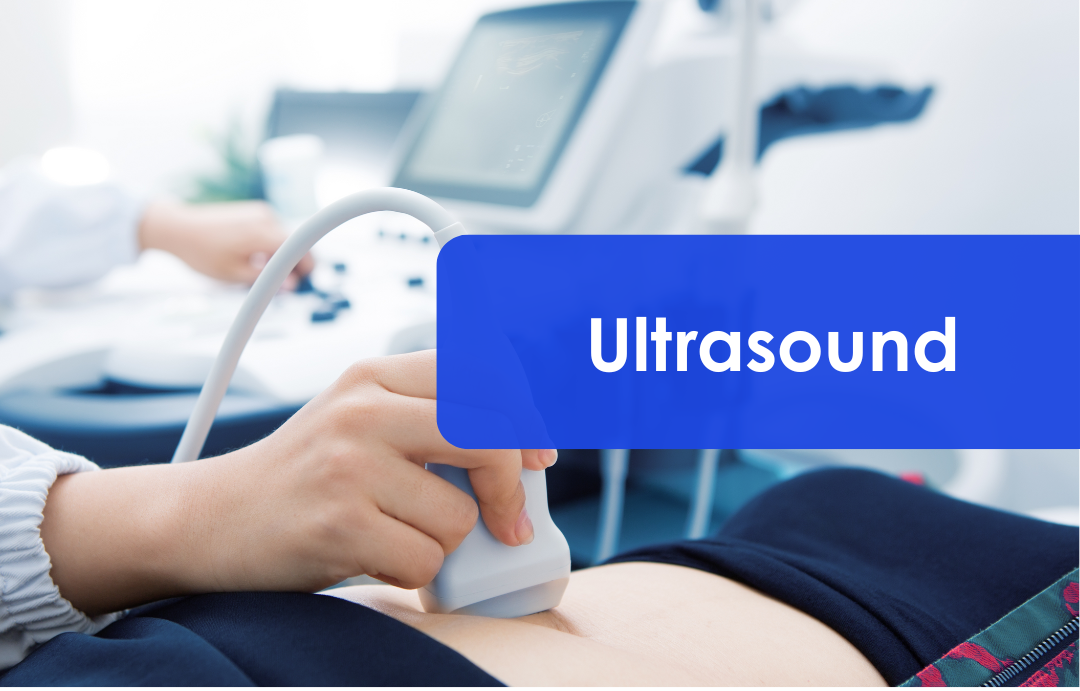
Ultrasound imaging has become an essential tool in regenerative medicine, offering real-time, radiation-free guidance for diagnostic assessments and treatment delivery. From joint injections to PRP or exosome placement, ultrasound ensures greater precision, patient safety, and procedural success.
This module is designed to familiarize learners with the fundamentals of ultrasound technology and its application in clinical practice. Professionals will learn how to improve procedural accuracy and gain insights into how to adopt ultrasound-guided solutions.
Learning Outcomes:
- Understand the principles of musculoskeletal and soft tissue ultrasound imaging.
- Apply ultrasound guidance in regenerative procedures for improved safety and efficacy.
- Interpret basic anatomical landmarks and common pathologies using ultrasound.
- Evaluate the role of ultrasound in reducing complications and enhancing patient satisfaction.
- Position ultrasound technology as a value-added solution in regenerative care delivery.
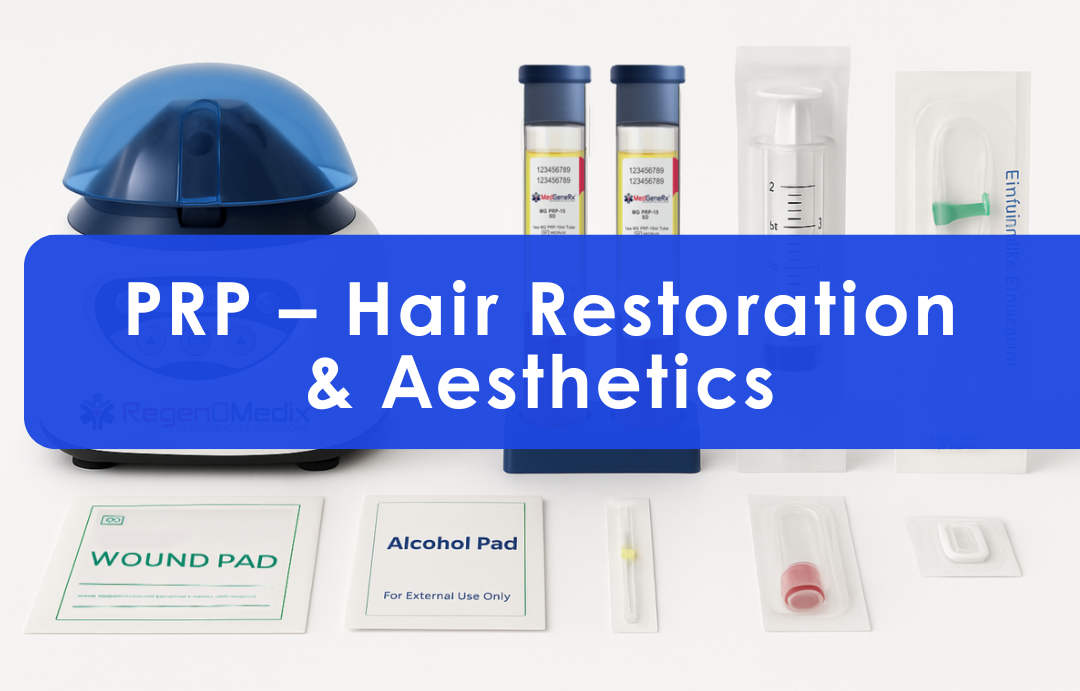
PRP & Regenerative Aesthetics: Hair & Skin Restoration with Biologics
Regenerative aesthetics is transforming the future of beauty and wellness by offering science-driven, minimally invasive alternatives to conventional cosmetic treatments. Among the most promising tools in this space is Platelet-Rich Plasma (PRP), an autologous treatment that harnesses the body’s own platelets to repair, restore, and rejuvenate tissue. From stimulating dormant hair follicles to revitalizing aged or damaged skin, PRP and other regenerative biologics like exosomes and peptides are redefining the standards of hair and skin restoration.
This integrated module provides a clinical and commercial overview of regenerative treatments for aesthetic purposes, focusing specifically on PRP for hair restoration and facial rejuvenation, with added insights into microneedling synergy, scar revision, and bio-enhanced skin therapies. Medical professionals will explore evidence-based protocols and patient care, while sales reps will gain the tools to confidently position regenerative aesthetics in clinical practices.
Learning Outcomes:
- Understand the pathophysiology of hair loss and skin aging, and the biological mechanisms behind regenerative repair.
- Apply PRP-based protocols for hair restoration, including scalp injection patterns, treatment intervals, and patient selection.
- Implement regenerative skin rejuvenation strategies using PRP, exosomes, and microneedling combinations.
- Recognize safety considerations, contraindications, and optimal aftercare procedures.
- Evaluate current clinical evidence supporting regenerative aesthetics and emerging innovations in the field.
- Effectively position regenerative aesthetic treatments to clinics, patients, or partner providers as premium, science-backed offerings.